Bilateral Leg Claudication

Intermittent Claudication Ic Due To Peripheral Arterial Disease Download Scientific Diagram
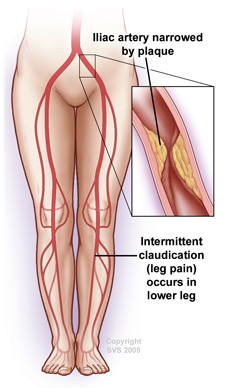
Vascular Endovascular Surgery Claudication

A Primary Care Approach To The Patient With Claudication American Family Physician
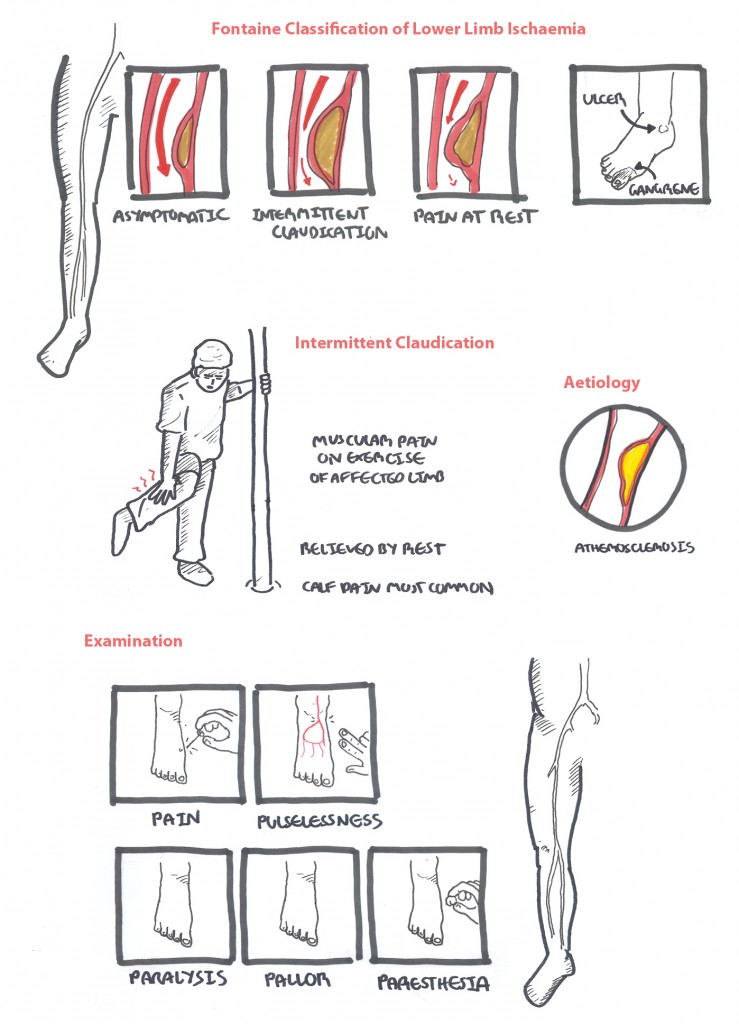
Peripheral Arterial Disease Chronic Lower Limb Ischaemia Armando Hasudungan
Bmj Com

Main Causes Of Proximal Claudication And Pseudoclaudication Download Scientific Diagram
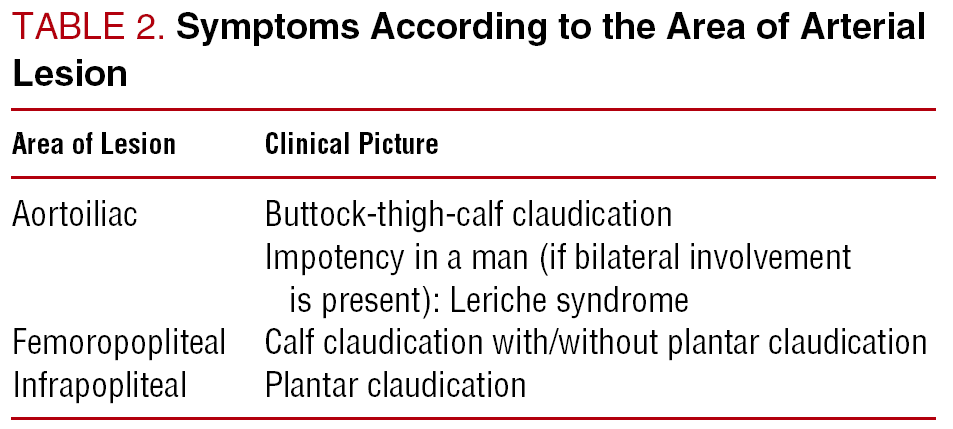
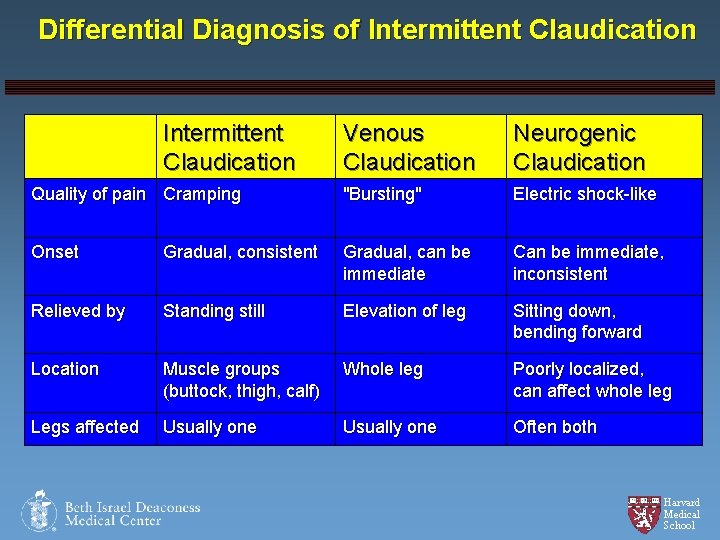
The common symptom is of a cramp like pain developing in the calf muscles on walking.
Bilateral leg claudication. Intermittent Claudication is caused by narrowing or blockage in the main artery taking blood to your leg femoral artery. The blockage means that blood flow in the leg is reduced. If you have PAD your arms and more commonly your legs dont get enough blood flow.
The purpose of this study was to use advanced biomechanical gait analysis to determine the gait alterations occurring in claudicating patients both before and after onset of claudication pain in their legs. Claudication is the most common symptomatic manifestation of peripheral arterial disease PAD producing significant ambulatory compromise. Claudication is pain you feel when your leg muscles dont get enough blood while you exercise.
Pain a burning feeling or a tired feeling in the legs and buttocks when you walk. Its most commonly an early symptom of peripheral arterial disease PAD. Known risk factors for atherosclerosis include family history being male old age smoking diabetes dyslipidaemia and hypertension.
The most common complaint of people who have PAD is claudication. Intermittent claudication refers to an aching pain in your legs when you walk or exercise that goes away when you rest. The blockage means that blood flow in the leg is reduced.
Its is a sign of atherosclerosis which means. This is due to hardening of the arteries atherosclerosis. A 59-year-old woman with minimal atherosclerotic risk factors presented with a 3-month history of progressive bilateral leg claudication.
Doppler Ultrasound- A type of ultrasound that can measure the direction and velocity of blood flow. The word claudication comes from the Latin claudicare meaning to limp. The main cause of lower limb chronic ischaemia is atherosclerosis caused by the formation of atheromatous plaques in the arteries.

Causes Of Bilateral Calf Pain Download Scientific Diagram
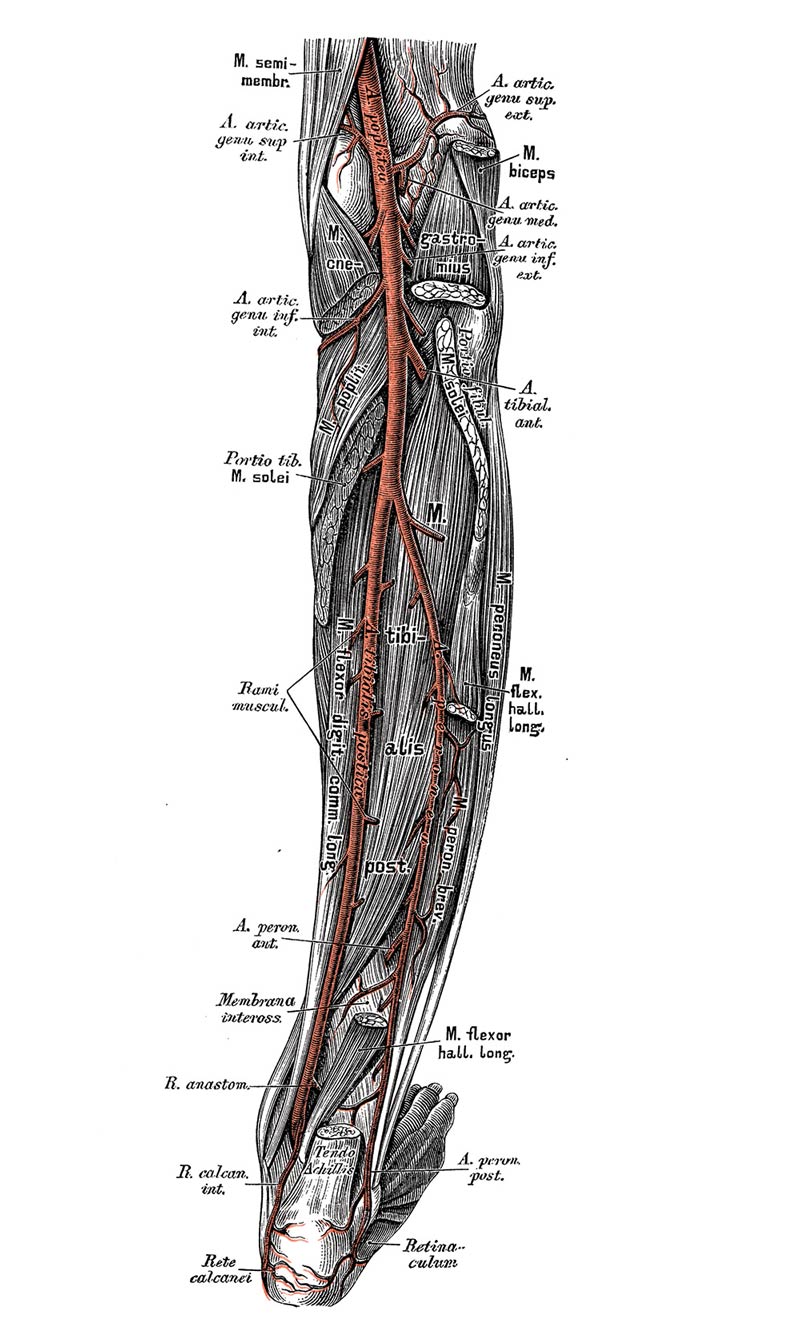
Focus On Biomechanics Helps Treat Claudication Lower Extremity Review Magazine
Peripheral Vascular Intervention Intermittent Claudication

Peripheral Vascular Intervention Intermittent Claudication

Diagnosis And Treatment Of Peripheral Arterial Disease American Family Physician
Duane S Pinto M D Director Peripheral Angiographic

Peripheral Arterial Disease Diagnosis And Treatment Consultant360

Intermittent Claudication Ppt Video Online Download

Pathology Leading To Amputation Physiopedia

